Transformation doesn’t happen just because people are busy
Transformation isn’t a process. It’s a series of projects — each with a goal, a path, and a finish line. And when those lines disappear, so does the motivation to keep building.
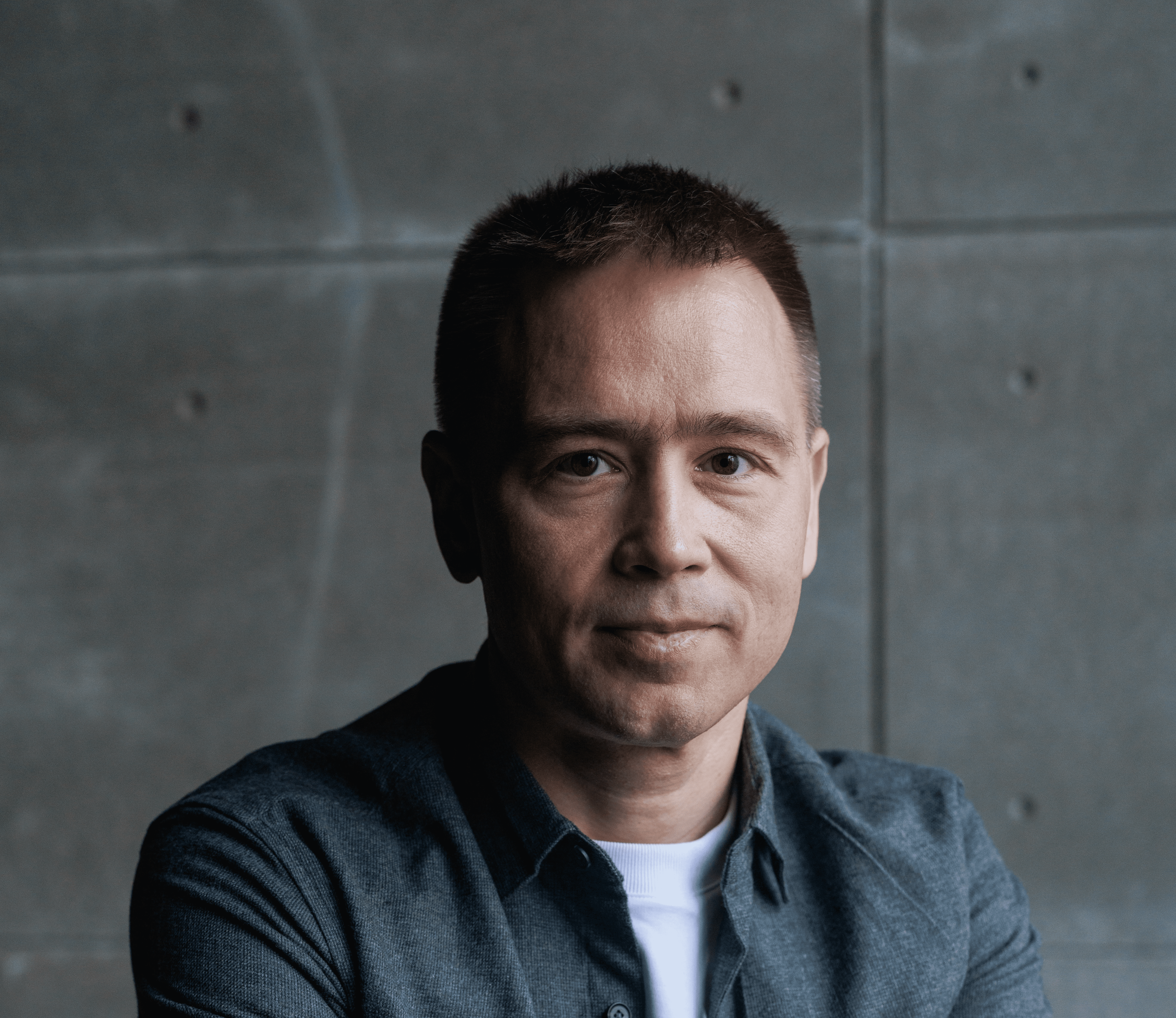
Sergei Andriiashkin
Founder and Strategy Partner
Transformation
/
Jun 16, 2025
It happens when there’s clarity, commitment, and the discipline to follow through on what was agreed.
In many growing companies, the team is constantly in motion. New ideas appear every day. New projects get launched. Everyone is doing things that feel valuable.
But at some point, you stop and realize: despite all this activity — we’re not really changing. And that’s the real problem.
The trap isn’t inaction — it’s directionless action. When you operate with a “let’s just do it” mindset, things get built — but nothing transforms.
You generate outputs, but no real outcomes. You start projects, but don’t define what success looks like. You create artifacts (tools, templates, reports) — but no behavior shifts. You lose focus — not because of failure, but because of improvisation.
Everyone’s moving. But no one’s steering. A transformation requires more than energy — it requires agreement. You need a shared understanding of what future you’re building, how you’ll know you’re getting there, and what exactly you’ll do to make it happen. That’s the real value of frameworks like OKRs — not as a planning tool, but as a language for alignment.
But here’s where most teams fail: they don’t treat these decisions as commitments. They treat them as inspiration — until something more exciting comes along.
If you don’t protect the agreement, you lose the system. New projects pop up. New priorities quietly replace the old ones. No one says it out loud — but the original goal starts fading. And so does the energy.
Eventually, transformation turns into a never-ending construction site: things are being added, changed, improved — but there’s no end in sight, no real progress, and no sense of satisfaction.
What that creates: fatigue, loss of direction, quiet frustration, a sense of “what are we actually building?” People stop feeling momentum. They start questioning the game.
And this is where teams either reset — or burn out.
To stay in the game, you need three things:
Discipline to deliver what was agreed. Don’t chase every new shiny thing. If priorities must change — renegotiate. Don’t silently drift.
Clarity of the outcome. Ask: when this is done, what will people be doing differently? What decisions will improve? What will be easier?
Visible progress. Show wins. Close loops. Create moments of completion. Progress isn’t just forward motion — it’s the feeling that something is working.
Transformation isn’t a process. It’s a series of projects — each with a goal, a path, and a finish line. And when those lines disappear, so does the motivation to keep building.
If you’re serious about change, don’t just make plans. Make agreements. Protect them. Deliver on them. That’s what earns momentum, clarity, and trust.
Transformation is supposed to energize. But only if you let people feel the progress — and the win.