On Hiring in a Changing World
Hiring as a living, mutual project agreement — that’s what the new maturity looks like.
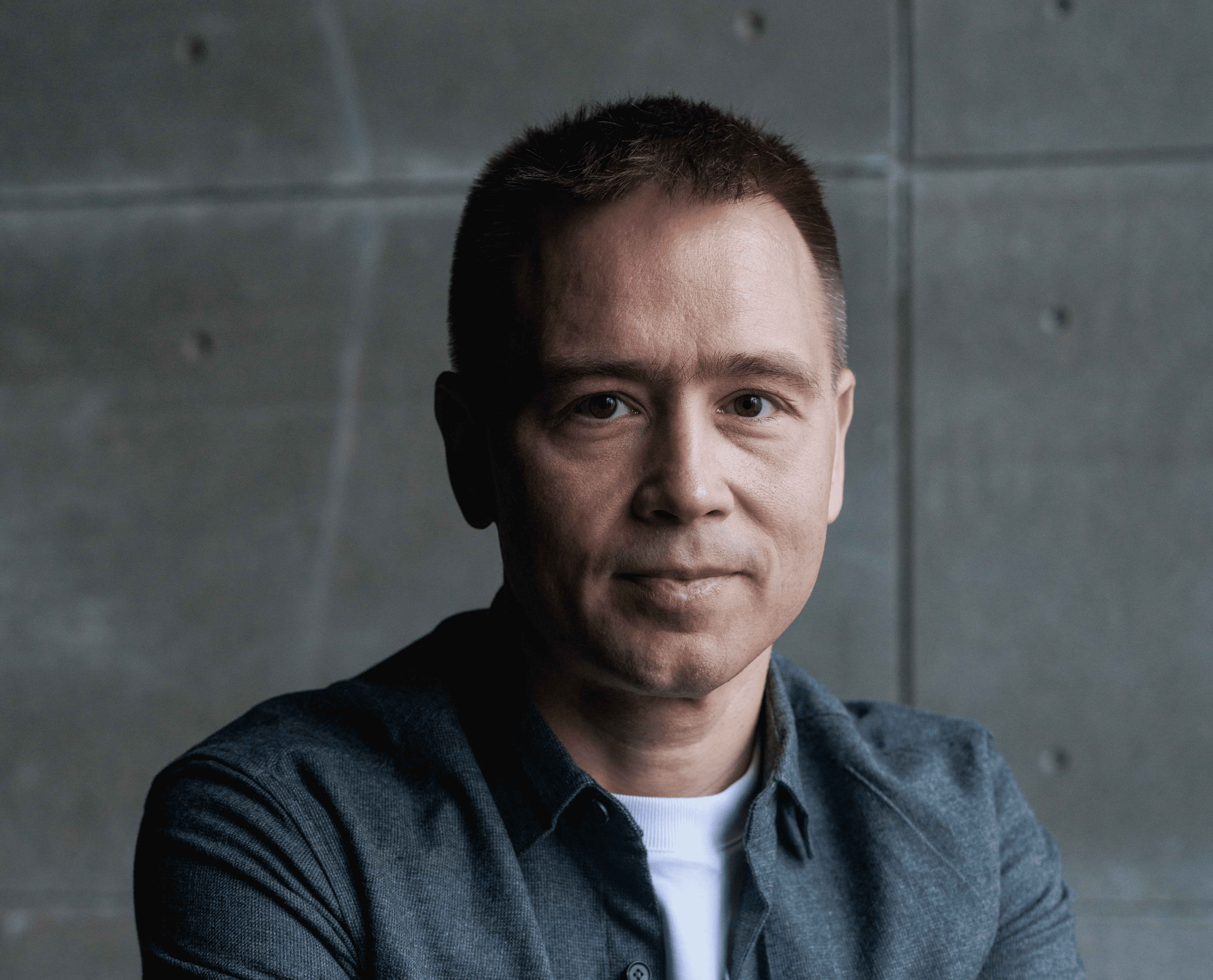
Sergei Andriiashkin
Founder and Strategy Partner
People
/
Oct 1, 2025

Too often, hiring in companies boils down to a simple mechanic: find a candidate, push them through a funnel, make an offer. The process is built on two default assumptions: that anyone who applies is ready to work for you, and that they’re looking to stay for the long term. That’s why interviews tend to emphasize “long stories,” résumés are scanned for stability (ideally 2–3 years or more in each role), and feedback is often vague. Hiring someone “seriously and for the long haul” is treated as an investment — in loyalty, in reducing onboarding and retention costs.
But over the past 10 years, professional life has become far more volatile. No company today can guarantee that, in a year or two, there won’t be a “black swan” (how many have we seen in the last five years?), a merger, a change in ownership, a shift in strategy, a new regulatory environment, a tech disruption (like AI), or just a new CEO with a different style. No one knows if the company they’re hiring into today will be the same one tomorrow. So how can we demand long-term loyalty from candidates?
It seems the idea of “hiring for the long haul” is giving way to something else — a more conscious, pragmatic, flexible agreement. One where both sides clearly understand why they need each other right now. Where there’s clarity on goals, metrics, expectations. And space — and willingness — to revisit the agreement, not in the form of a rigid 3-year plan, but through the lens of evolving context and tasks in the months ahead.
How do we hire and build teams in this new reality?
• Be precise about who you’re looking for — and why. What strategy, ambition, or horizon is this hire meant to support?
• Focus on the candidate’s strengths and the value they’ll bring. Just as importantly, understand the person — their quirks aren’t always flaws — and the risks. How will you work with them? How will they amplify key parts of your strategy and its execution? This isn’t just about skills; it’s also about mindset and personal strategy.
• Think through how you’ll work together, how you’ll support their growth, and with what horizon in mind. As the business evolves, will the person evolve with it?
This approach raises the bar — and the responsibility — for hiring managers. They’re the ones defining the ask and reflecting on how well a specific candidate — with all their complexity — fits into the strategy and the team.
Hiring as a living, mutual project agreement — that’s what the new maturity looks like. And if candidates have a whole industry of career coaches backing them, where’s the equivalent industry for companies and hiring managers?
What do you think?