Strategy starts with ambition
In entrepreneurial businesses, strategy often doesn’t begin with market analysis, competitor benchmarks or financial models — it starts with ambition.

Sergei Andriiashkin
Founder and Strategy Partner
Strategy
/
Sep 24, 2025
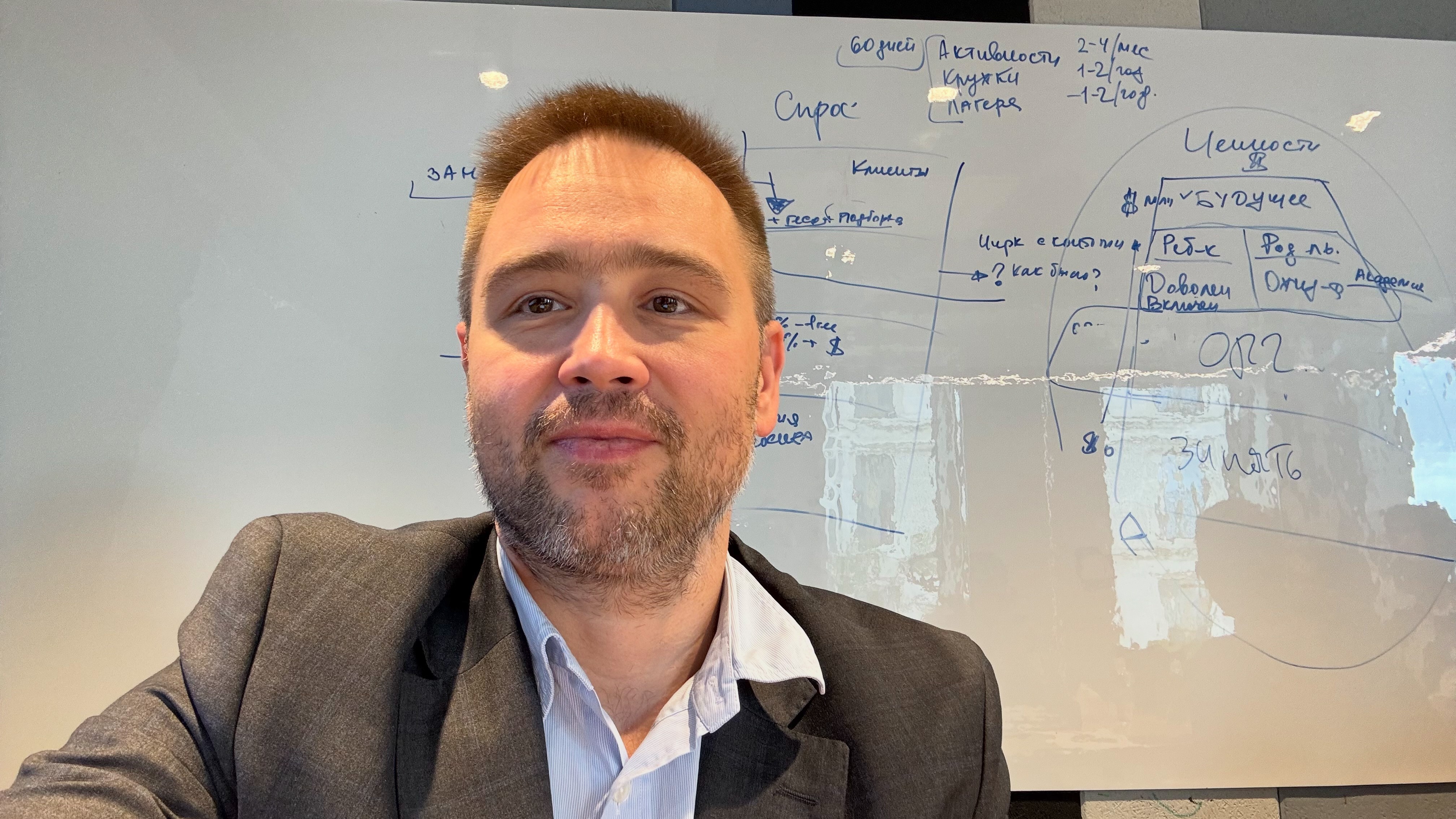
In entrepreneurial businesses, strategy often doesn’t begin with market analysis, competitor benchmarks or financial models — it starts with ambition. With what drives the founder, the owner, the partners. The company is often a direct extension of the individual. That’s why we usually begin strategic work by talking about each person’s vision of the future: what they want to build, what they expect to see in 3, 5 or 10 years, what they’re willing to commit to, and how they define success. For one person it’s revenue, for another — scale, for a third — impact, the team, or influence. All of these perspectives are valid in different ways.
Our task isn’t to reduce them to a common denominator, but to assemble this diverse context and find the foundation of strategy where the perspectives intersect. We usually begin with individual boards, where each person answers five questions: what drives me and why I’m doing this; what I’m building (in the form of a cluster of cards); for whom; how I assess results and what I aim for; and finally — how, in terms of values and processes. Then we merge the cards into a single shared board in Miro. That’s where we find the intersections of ambition, align on values, and start forming strategic breakthroughs.
Only then does it make sense to move to the model, objectives, and roadmap. That early conversation about the future becomes the foundation — not just in people’s heads, but across the company.
One of the next outcomes in this process is a shared strategic frame — a simple articulation of what the business is. It’s similar in spirit to a brand platform, but rooted in operational clarity. What are we building? What role do we play in the system we’re part of? What segment and context are we operating in? Who is it for? And what value are we really creating? Once those answers are laid out side by side, they create a coherent picture you can lean on when planning change, setting product direction, building the team or adjusting your communications.